World Health Day Emphasises Human Rights’ Crucial Role in Cancer Risk Reduction

There is a direct link between human rights and preventing the spread of cancer, says Lorraine Govender, National Manager: Health Programmes of the Cancer Association of South Africa (CANSA), commenting on this year’s World Health Day theme: My Health, My Right.
Colorectal cancer (also known as colon cancer) awareness is being campaigned by CANSA during April, and its key messages align with the theme of World Health Day which takes place on 7 April this year.
“Health is everyone’s fundamental right,” says Govender. “There are three key concepts in the Universal Declaration of Human Rights that play a vital role in reducing the risk of cancer: health and wellbeing, food, and education.”
Human Rights and Preventing Cancer
CANSA considers the right of access to sufficient healthy food and water to be the first step in illustrating how human rights influence cancer risk reduction. “Part of our role is to constantly raise awareness about the inequalities and human rights issues that impact cancer care and risk reduction in South Africa,” says Govender.
“Many South Africans cannot afford healthy food and, out of necessity, subsist on food with a high sugar content and low nutritional value, sometimes leading to obesity and increasing the risk of cancer.”
Govender says that educational programmes are critical. “The more educated people are, the more likely it is that they will eat the right food, rich in fruit and vegetables and avoid processed meat and lessen red meat intake. They will also engage in physical activity, avoid obesity, stop drinking alcohol and using tobacco products and pay attention to the warning signs of cancer.”
She adds that South Africa also needs stronger policies and legislation, for example, The Control of Tobacco Products and Electronic Delivery Systems Bill, which can assist in lowering cancer-causing compounds (carcinogens) and the risk of cancer.
Colorectal Cancer Incidence Increasing
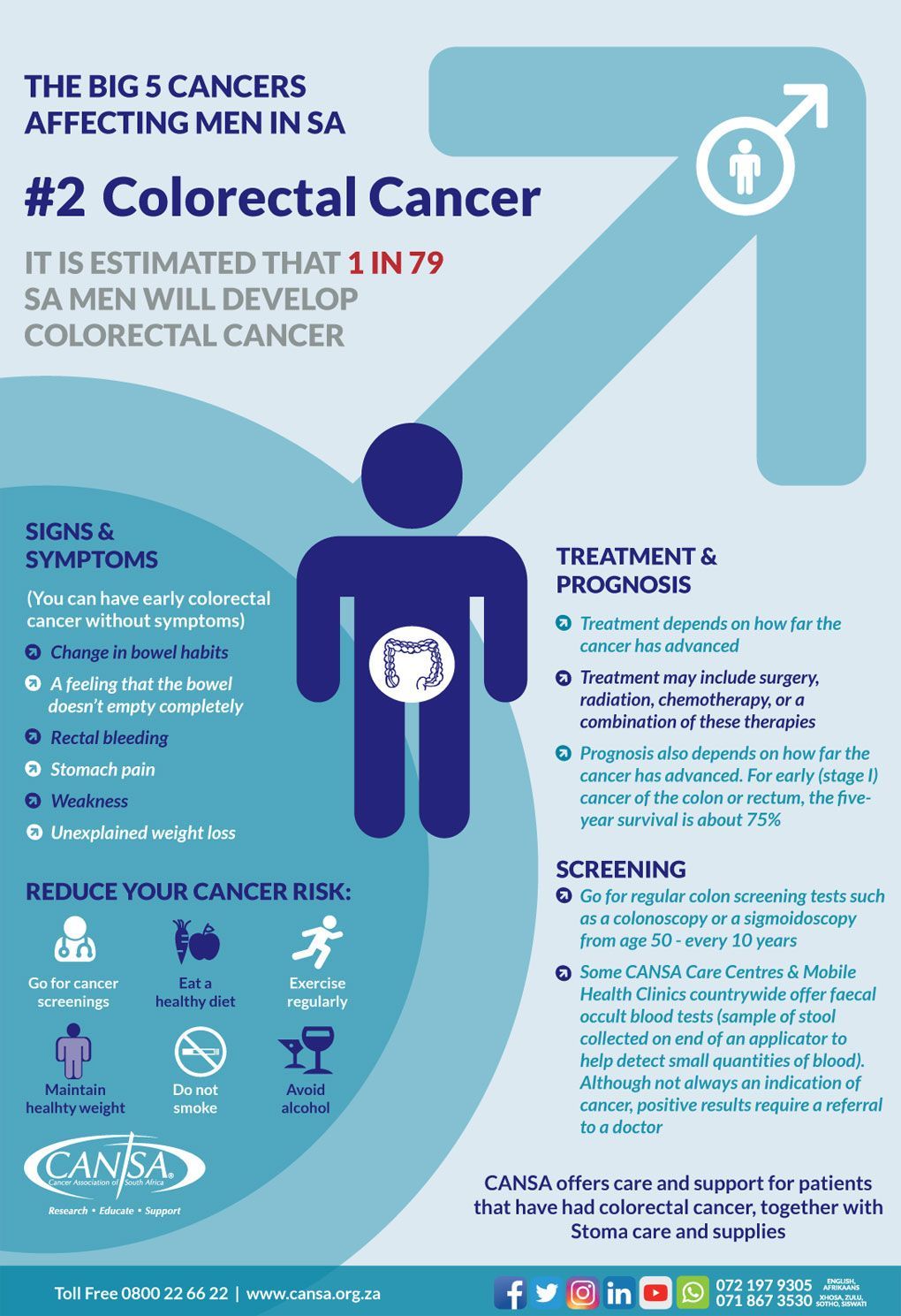
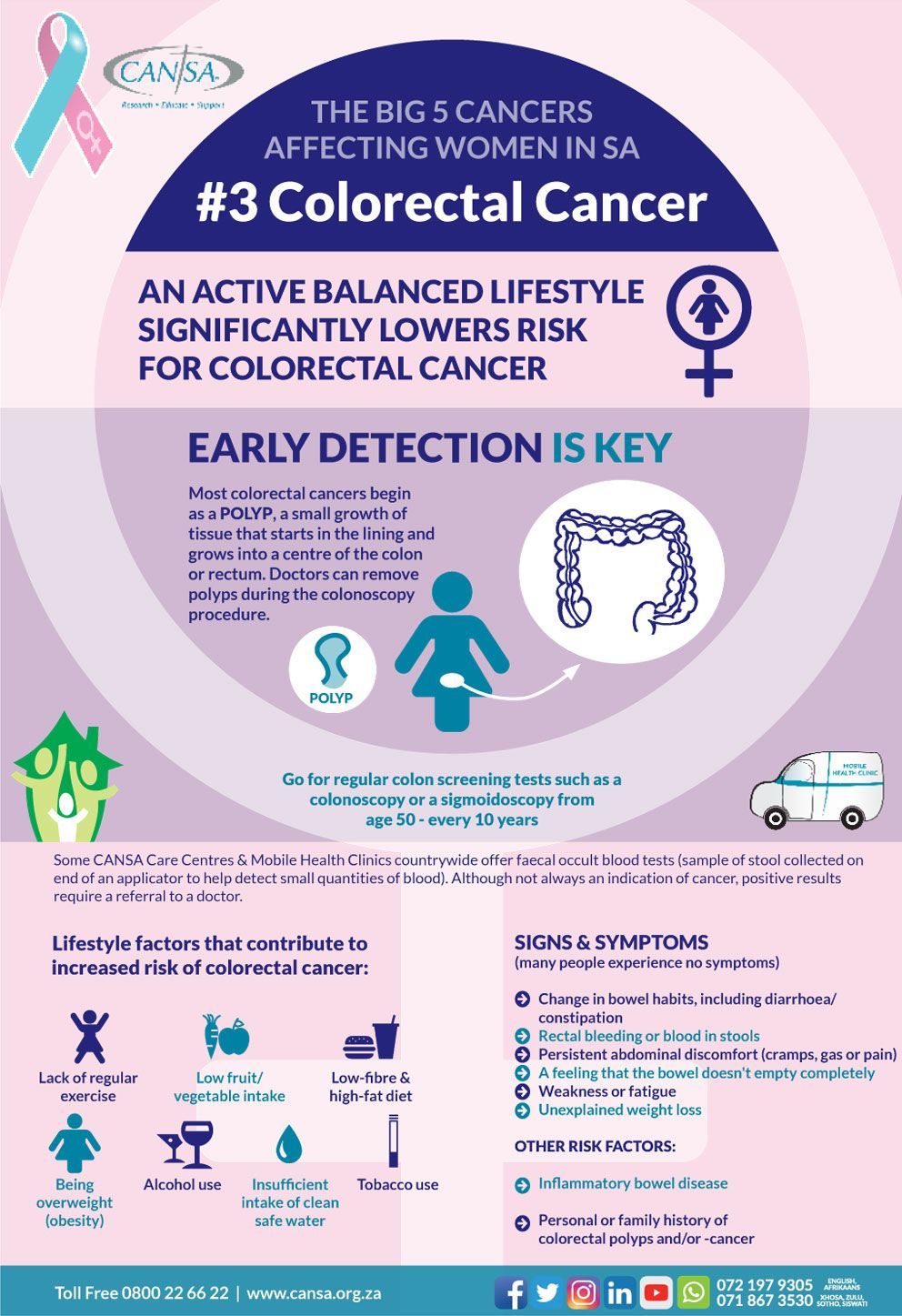
In South Africa, the increase in negative lifestyle choices, such as, eating more processed meat and less fruit and vegetables, not being active, smoking and alcohol consumption, may have led to a dramatic increase in the incidence of colorectal cancer among both men and women. In 1989, it was the 10th most common cancer diagnosed in men and women. Fast forward to 2019 and the National Cancer Registry ranked it among the five foremost cancers, second among men and third among women.
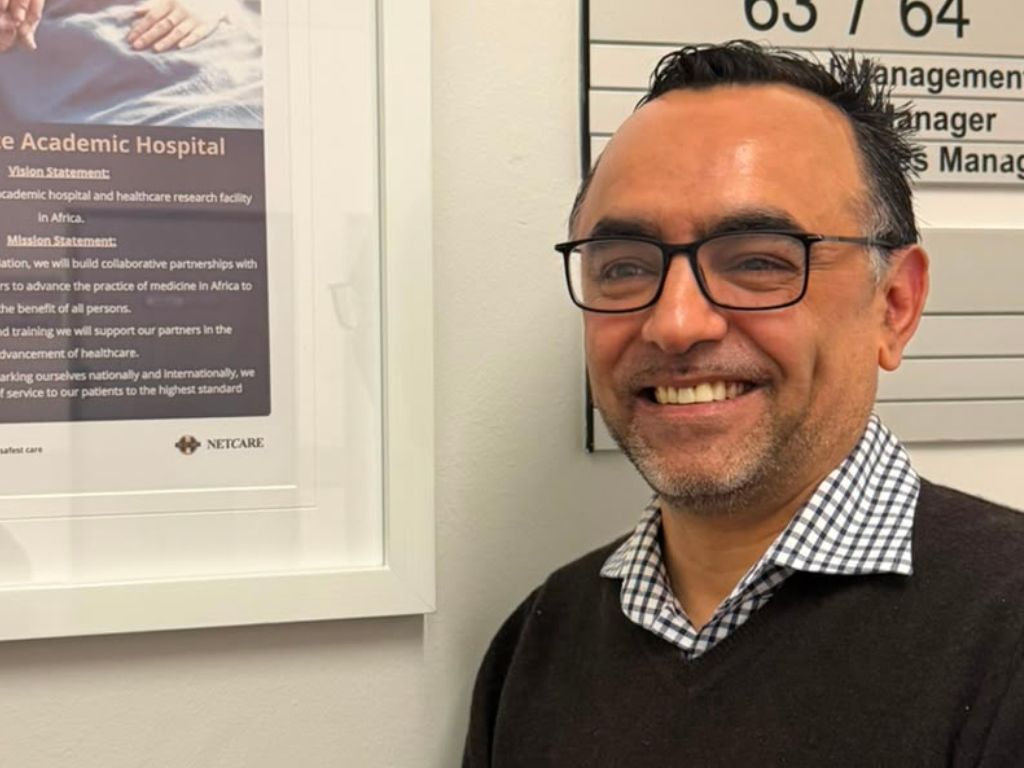
“What makes matters worse,” says Dr Fatima Bhabha, a general practitioner and colon cancer survivor, “is that there often aren’t symptoms in the early stages of colorectal cancer, and when symptoms do occur, they are often misdiagnosed. This means that many people are diagnosed only when the disease has progressed to an advanced stage.”
Early Detection
“People who suspect they may have colorectal cancer should speak to their healthcare provider as soon as they can,” says Dr Bhabha. “Treatment is more likely to be successful if the disease is caught in its early stages.
“That said, even if people don’t think they have colorectal cancer, they should have regular screenings for the disease. Studies have shown that screening can reduce both the incidence and mortality through early detection and the removal of precancerous growths. Also be aware of any blood or abnormal changes as these must be investigated.”
Screening methods include stool-based tests which are non-invasive. The most common of these tests is the faecal occult blood (FOB) test which detects hidden blood in the stool which may indicate the need for further testing. FOB tests are available at certain CANSA Care Centres – CANSA will provide a referral letter to your health care provider for further investigation.
Further Risk Factors
There are other factors that may increase the risk of developing colorectal cancer in addition to lifestyle choices. Most cases present in people in their fifties or older, so the risk of developing it increases with age. Family history also plays a part. A history of colorectal cancer or certain genetic conditions, such as, Lynch Syndrome and familial adenomatous polyposis (FAP) can increase the risk. Another risk is a personal history of previous incidence of colorectal cancer or the presence of certain types of growths or polyps.
Common Symptoms
These include changes in bowel movements, such as, diarrhoea, constipation, or narrowing of the stool; blood in the stool (rectal bleeding), that is either bright red or dark and tarlike; abdominal cramps, pain or bloating that won’t go away; unexplained weight loss that is sudden and not due to a weight-loss diet; feeling constantly tired and lacking energy, even with enough rest and iron deficiency anaemia due to chronic bleeding, causing fatigue, weakness and paleness.
Where To Get Support
CANSA offers an online lifestyle risk assessment tool that helps to identify lifestyle factors that may increase cancer risk. It also provides recommendations on how to change behaviour to lower cancer risk.
Several colorectal cancer patients have a portion of their bowel and/or colon removed and need a permanent stoma (opening in the abdomen that connects to the digestive or urinary system to allow waste to be diverted from the body). CANSA provides support to patients adapting to living with a stoma as well as offering a range of stoma products and accessories. The CANSA Tele Stoma Support Service offers online consultations for stoma patients and their families. Call CANSA Help Desk 0800 22 66 22 to make an appointment.
In partnership with Medtronic, CANSA has produced a colorectal cancer awareness video featuring two people who discover how their lifestyle choices have affected their colorectal health and the symptoms they should not ignore. View the video at
https://youtu.be/zq8xHbvFR4E.