Mental wellness – it starts with you

Consistent commitment and open communication are key to better mental health for all
Up to one-third of South Africans experience a mental health issue during the course of their lives, yet less than 25% of people seek professional help, according to the South African Stress and Health (SASH) study – one of the few nationally representative studies of common mental health issues – indicating that the country may well be facing a mental health crisis.
One way in which to help address this is through consistency in mental health awareness, advocated by experts as a simple and practical way to change the status quo.
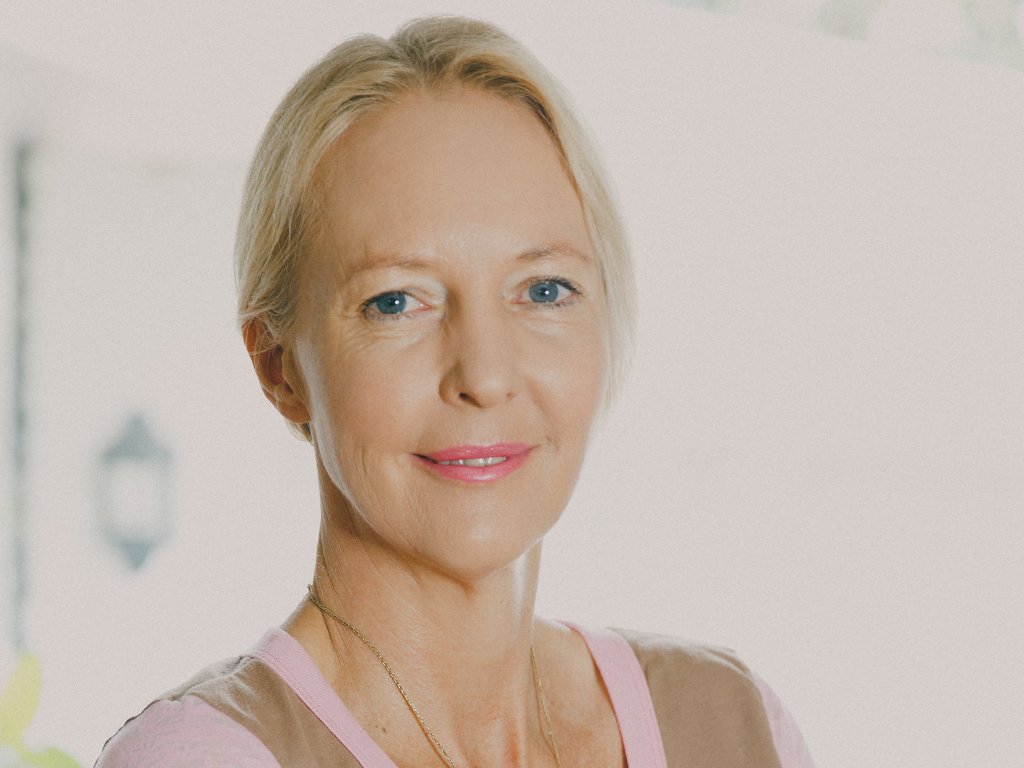
Megan Hosking, psychiatric intake clinician at Netcare Akeso mental health facilities, says that many people tend to think of mental health only in terms of problems that need to be addressed, and not as forming an integral part of one’s overall proactive daily health regime.
“Deteriorating mental health over the past 18 months has been called a parallel epidemic – one we will continue to see the effects of for years to come. COVID-19 has brought to light the many mental health struggles faced by people all over the world. If this is not addressed at an individual level, we are going to end up with a society carrying a legacy of mental health problems into the future,” she cautions.
Commit to 21 days
“Mental health is something we should work on continuously, as part of our regular health routine, just as we do physical exercises or make healthy choices. This is not to over-simplify mental health, but the fact is that many people tend to focus on what happens when things aren’t okay and do not consider what can be done proactively to help keep our mental health tanks full.”
Hosking notes that there are numerous simple, yet effective daily practices that can assist in maintaining mental wellness and preventing possible issues from occurring in the first place.
“This includes habits such as deep breathing, moving your body, being mindful of how you respond to the world around you, and acts of self-care such as keeping a journal or putting time aside for your own needs. Naturally not every type of mental wellness practice will work for everyone, so it is important to find one, or preferably several, that you enjoy and that you can feel the benefit of.
“The real take away, however, is that you commit to doing this daily for at least 21 days. Research tells us that it takes a minimum of 21 days to form a new habit, after which time it should become second nature to prioritise your mental health practice or practices alongside all your other daily health habits. The long-term benefit of consistency will show up in better stress management, a more positive outlook on life and greater overall mental health,” she says.
This Mental Health Awareness Month, Netcare Akeso has designed a deck of cards with 21 tips and easy-to-do activities, one for each day, to promote self-care and mental wellness. The full 21-day deck can be accessed via the Netcare Akeso website here: https://www.akeso.co.za/21-tips-health-habits-for-positive-mental-health
Stick to the plan
When mental health issues do arise, Hosking emphasises the importance of consistent behaviour in the ongoing management of such issues when you are undergoing any form of treatment, whether it be therapy, medication or both.
“This could mean taking your medication as prescribed by your doctor or attending your regular therapy sessions. Some studies have found that up to 60% of patients with depression, schizophrenia or bipolar disorder stop taking their prescribed medication within three months, which can increase the risk of relapse and experiencing another mental health episode. This can have a profoundly negative impact on your wellbeing and that of those around you. Sticking to a treatment plan is essential in the proper management of mental health conditions,” she says.
Make it a habit to talk about it
“Unfortunately, stigmas persist around mental health issues, which discourage many people from seeking help. However, if each of us engaged in mental healthcare practices – be it in the form of prevention, treatment, or management – as part of our daily lives, we could also help to reduce this stigma.”
Hosking points out that many people experience a sense of shame when talking about their mental health challenges, sometimes feeling guilty for what may be seen as complaining when their lives seem otherwise good, in other cases feeling worried about the potential consequences of speaking up about mental struggles.
“The more we talk about mental health, the more we will see it being made a priority in our workplaces, our communities and our own lives. Mental health issues do not discriminate and anyone – regardless of their circumstances – may at some point find that life has taken its toll on their mental wellbeing.
“In those moments, it is understandable if you feel alone, especially in a time that has led to increased isolation for so many. However, there are options available to help you improve and manage your mental state – whether it is starting a new daily mental health habit or reaching out for professional help. Whatever the case, it starts with you. By talking about mental health, the victories, and the struggles, you are effectively laying the foundations for a community that embraces mental wellbeing and supports those who need it,” Hosking concludes.
If you need to talk to an experienced counsellor, Netcare Akeso offers a 24-hour crisis helpline. It can also assist in the case of a mental health emergency and getting you to a point of care, as well as provide information and guidance about mental health and mental health services.
For information about occupational or mental health services, accessing care, information about mental health issues, or if you are in an emotional crisis, Netcare Akeso is there to help. Contact info@akeso.co.za or visit www.akeso.co.za. In the event of a psychological crisis, emergency support can be reached on 0861 435 787, 24 hours a day.
Out-patient psychologist and occupational therapist consultations can be booked via www.copetherapy.co.za and psychiatrist consultations through Netcare appointmed™, online at www.netcareappointmed.co.za or by calling 0861 555 565. The COPE Therapy website www.copetherapy.co.za also contains many useful blog posts on various issues and tips relating to mental health.